Skip to content Skip to footer

Youth Vaccine

What Is the Youth Vaccine?

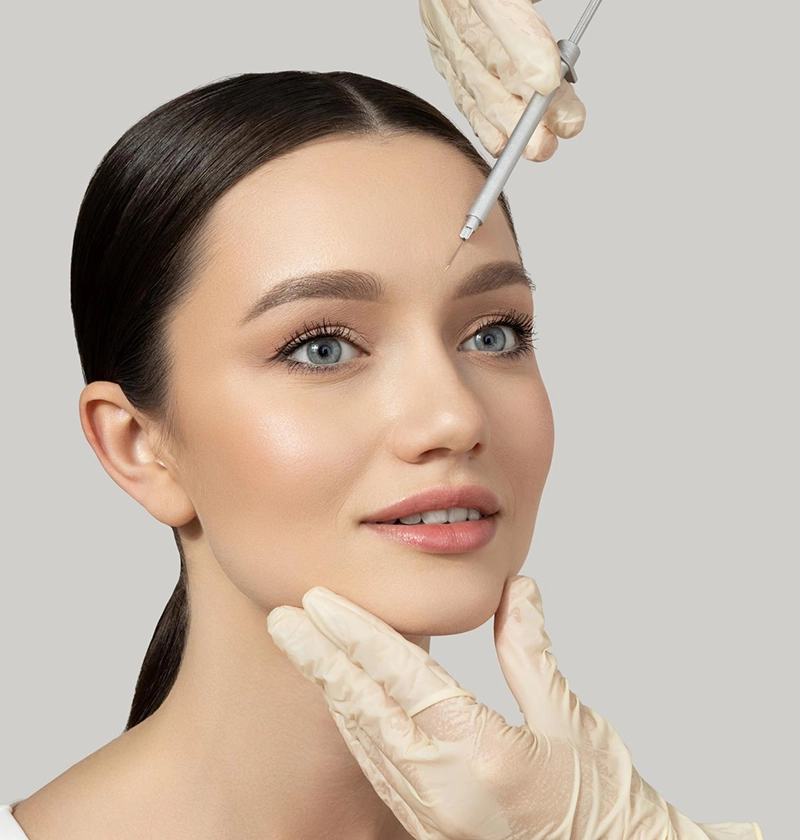
The “Youth Vaccine” is a biorevitalization treatment that uses micro-injections of skin-friendly ingredients to refresh dull, dehydrated, or finely lined skin without changing your facial shape. Unlike volumizing fillers that add structure, youth-vaccine protocols rely on hyaluronic acid (HA) skin boosters, amino-acid/antioxidant cocktails, and, in selected plans, polynucleotides (PN/PDRN) to hydrate, support collagen, and improve overall texture. HA acts like a water reservoir in the dermis, visibly softening crepiness and boosting radiance; amino acids and vitamins provide building blocks for repair; PN formulations are used to promote tissue quality in suitable candidates. Sessions are quick, use very fine needles or a blunt-tip cannula, and create tiny micro-deposits across the face, neck, or hands. Most people return to daily routines the same day, with small bumps or pinpoint redness settling within 24–48 hours. Because the goal is skin quality—not dramatic reshaping—results look natural both in person and on camera.

Who Is a Good Candidate for the Youth Vaccine?

Good candidates are healthy adults who want fresher, more hydrated skin with minimal downtime and no change to facial identity. Typical concerns include chronic dryness, fine creases on the lower cheeks or around the eyes, makeup that sits poorly on textured skin, and early photoaging of the neck, décolletage, or hands. Youth-vaccine protocols are also popular after weight loss or seasonal transitions when skin looks tired despite adequate skincare. You should be able to pause nicotine, avoid blood-thinning supplements around treatment, and follow simple aftercare. A consultation will check for realistic expectations and rule out issues that respond better to other options (for example, deep folds that require fillers, marked laxity that needs tightening, or prominent under-eye bags better treated surgically).

You’re likely a strong candidate if you:

Types of Youth Vaccine Protocols Performed in Antalya, Turkey

Clinics in Antalya offer several evidence-based categories, often combined for layered benefits. The choice depends on skin thickness, sensitivity, treatment area, downtime preferences, and budget.

Targeted Areas & Techniques:

    • Face/cheeks: grid of tiny deposits (“micro-papules”) for uniform glow

    • Under-eye periphery: cannula-assisted micro-threads in experienced hands

    • Neck/décolletage/hands: broad, low-dose coverage for crepiness

How Is the Youth Vaccine Performed in Turkey?

A standard session in Antalya is streamlined and comfortable. After photography and consent, the injector cleanses the skin thoroughly and applies topical anesthetic. A treatment map is drawn to ensure even coverage while avoiding high-risk vessels. Depending on area and product, the clinician uses either very fine needles to place superficial micro-droplets or a blunt-tip cannula to lay micro-threads in delicate zones. Each pass deposits a tiny amount—just enough to hydrate and signal the dermis—without creating bulk. Expect a peppering of small bumps (with HA boosters) that flatten within a day or two; PN or meso blends typically leave minimal surface change. Most plans recommend an initial series of 2–3 sessions spaced 2–4 weeks apart, then maintenance every 6–12 months depending on product family, sun exposure, and lifestyle.

Three-step workflow

  1. Assess & map: Photos, skin thickness check, area priorities, and dose planning
  2. Inject & refine: Aseptic technique, slow micro-deposits, gentle molding—not massage
  3. Protect & plan: Clean finish, post-care sheet, and a review message or visit in 2–3 weeks
Patients Reviews

What Did Our Patients Say?

Pre- and Post-Treatment Care (What to Do & Avoid)

Before (3–7 days)

  • Avoid non-essential blood-thinners/supplements if your doctor agrees (e.g., high-dose omega-3, vitamin E, ginkgo).

  • Pause acids/retinoids on the target area; keep skincare gentle and hydrating.

  • Stabilize allergies; reschedule if you have active cold sores or skin infection.

  • Plan dental work at least 1–2 weeks away from perioral sessions.

Day of treatment

  • Arrive with clean, makeup-free skin. Eat a light meal; limit caffeine and alcohol.

Bring a hat/sunglasses; confirm emergency contact details and product batch traceability.

The Recovery Process After Youth Vaccine in Turkey

Risks & Safety: What You Should Know

Youth-vaccine treatments have a strong safety profile when performed by trained injectors using sterile technique and traceable products. Common, mild effects include temporary redness, tiny bumps, swelling, or light bruising that resolve within days. Less common issues are prolonged swelling or lumpiness if too much product is placed superficially; these are usually managed with gentle adjustments and, for HA products, enzymatic reversal where appropriate. Rare complications include infection, allergic reaction, or vascular compromise—risk is minimized by conservative dosing, appropriate depth, cannula use in delicate zones, and having an emergency protocol in place.

Safety checklist to expect from your clinic

  • Medical history review, informed consent, and photos

  • CE-marked products with batch traceability recorded in your file

  • Aseptic prep, slow micro-aliquot technique, and careful anatomy mapping

  • On-site access to hyaluronidase (for HA products) and a clear escalation pathway

How Many Sessions, How Long Do Results Last, and How Much Does It Cost?

Most programs start with 2–3 sessions spaced 2–4 weeks apart to build a base of hydration and dermal support. Maintenance is typically every 6–12 months, though some patients prefer seasonal top-ups for the face, neck, or hands. Longevity varies with product family (HA vs. PN/meso), sun exposure, skincare diligence, and individual metabolism; many people notice a progressive improvement in glow and fine texture over the first 4–6 weeks after the series.

What influences cost (no exact figures):

  • Product family & dose: HA boosters vs. PN vs. meso blends; total ml and treated areas
  • Injector seniority: Oculoplastic/facial plastic expertise and use of ultrasound or cannula
  • Clinic standards & package design: Consultation, consumables, aftercare, and follow-up policy
  • Scope of treatment: Face only vs. face + neck/hands; single visit vs. full series